

Composite Bonding Explained: A Simple Fix for Chips, Gaps, and Stains
A chipped tooth can feel like a spotlight you never asked for. Small gaps or stubborn stains can also nag at your confidence, even if your teeth are healthy. Composite bonding often steps in as the quiet hero for these everyday smile concerns. To find out where experienced cosmetic care is available locally, view on Google Maps and get a clearer sense of your options.
What Composite Bonding Actually Is
Composite bonding uses a tooth-coloured resin that blends with your natural enamel. The dentist applies it directly to the tooth surface and shapes it by hand. A special light hardens the material within minutes. The result looks natural and feels comfortable when done well. This treatment focuses on surface-level changes rather than deep structural work. It works best for minor chips, slight gaps, or uneven edges. Bonding does not require drilling in most cases, which helps people stay relaxed in the chair. Many patients leave with a visible change after a single visit.
Why People Choose Bonding Over Other Treatments

One big reason is speed. Composite bonding often takes less than an hour per tooth, which suits busy schedules. There is no lab wait and no temporary fittings. That instant result feels satisfying, like fixing a scratch on a new car. Cost also plays a role in the decision. Bonding is usually more affordable than veneers or crowns. It allows people to improve their smile without committing to extensive dental work. For first-time cosmetic patients, this option often feels approachable.
How Long Composite Bonding Lasts
Bonding is durable, but it is not invincible. On average, it lasts several years with normal care. Biting hard objects, nail chewing, or using teeth as tools can shorten its lifespan. Regular brushing and sensible habits make a noticeable difference. Unlike some treatments, bonding can be repaired rather than replaced. If a small chip appears, a dentist can touch it up quickly. That flexibility appeals to people who prefer low-pressure solutions. It keeps maintenance straightforward and manageable.
What the Procedure Feels Like
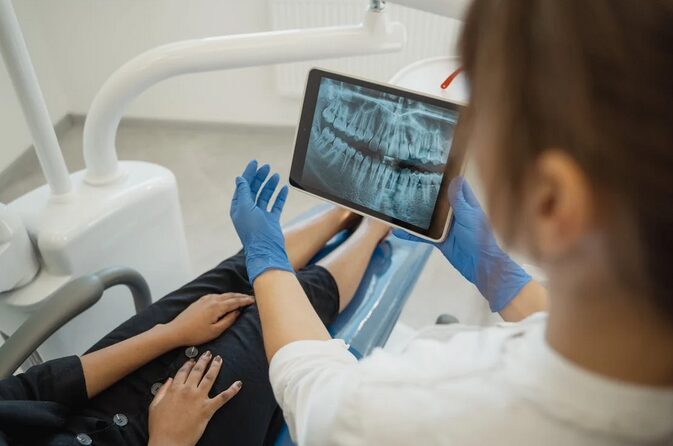
Most people are surprised by how simple the appointment feels. Anaesthesia is rarely needed unless the bonding covers a sensitive area. You can chat, blink, and relax while the dentist works. It feels more like an art session than a medical procedure. After shaping the resin, the dentist polishes it to match the surrounding teeth. The surface becomes smooth and comfortable against the tongue. There is no downtime, so you can return to work or social plans the same day. That ease is a big plus for nervous patients.
Who Is a Good Candidate for Bonding
Bonding suits people with generally healthy teeth and gums. It works well for cosmetic tweaks rather than major corrections. Those with heavy grinding habits may need extra protection, like a night guard. A dental check helps confirm suitability before starting. This option also appeals to patients who want subtle improvement. Bonding keeps the original tooth structure mostly intact. That conservative approach feels reassuring to many adults. It allows change without crossing into dramatic territory.
Composite bonding proves that small changes can make a big difference. It fixes common smile issues without heavy commitment or long recovery. For many people, that balance feels just right. A confident smile often starts with one simple step.