
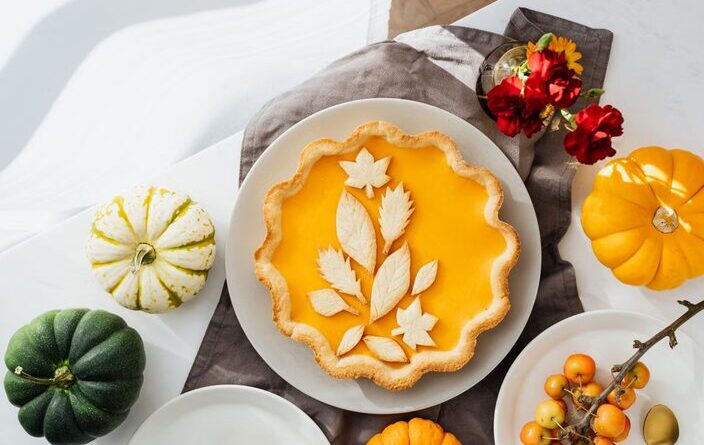
How Pumpkin Pie Can Fit Into a Balanced Diet Without Compromising Nutrition
Enjoying dessert does not have to mean abandoning healthy eating habits. Pumpkin pie is a familiar treat that can fit into a balanced diet when prepared with thoughtful ingredients and reasonable portions. Its main ingredient, pumpkin, provides several nutrients that support normal body functions. However, traditional recipes may also contain considerable amounts of added sugar, butter, and cream. Understanding what goes into each slice helps people enjoy this dessert while making informed food choices. A balanced diet is not built around avoiding particular foods. It involves eating a variety of nutritious ingredients while allowing room for occasional treats. Small adjustments to the recipe can also improve its overall composition without removing the taste and texture that make it enjoyable.
Understanding the Nutritional Value of Pumpkin
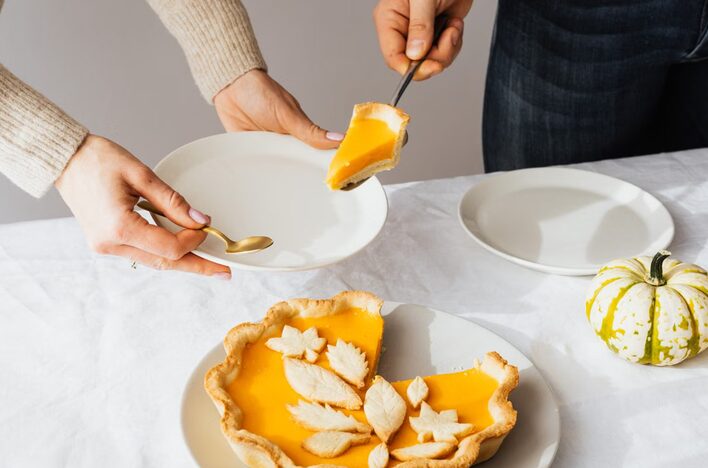
Pumpkin is the main ingredient that gives pumpkin whoopie pies their characteristic flavor and color. It is naturally low in calories and contains nutrients such as vitamin A precursors, vitamin C, potassium, and fiber. These nutrients contribute to different functions in the body. Vitamin A supports normal vision and immune function, while potassium helps maintain healthy muscle and nerve activity. Pumpkin also contains beta-carotene, a plant pigment that the body can convert into vitamin A. Its orange color is a visible sign of this naturally occurring compound. Including pumpkin in meals and desserts can contribute to a varied eating pattern. However, the nutritional value of a finished pie depends on more than its filling. The crust, sweeteners, dairy products, and serving size also affect the amount of energy, sugar, and fat in each portion.
Choosing Ingredients That Support Better Nutrition
The ingredients used in pumpkin pie can influence how well it fits into everyday eating habits. Traditional recipes often include refined sugar, heavy cream, and butter. These ingredients contribute flavor and texture, but using large amounts can increase the dessert’s total saturated fat and added sugar. Home preparation allows greater control over these components. Cooks can reduce the amount of added sugar while keeping enough sweetness to complement the pumpkin. Cinnamon, nutmeg, ginger, and vanilla extract can provide depth of flavor without requiring additional sweeteners. Milk or unsweetened evaporated milk may also replace some heavier dairy ingredients, depending on the recipe. For the crust, whole-grain flour can introduce additional fiber compared with refined flour. These changes do not automatically make every recipe healthy, but they can improve its nutritional balance.
Balancing Sugar and Dietary Fiber

Sugar is one of the main ingredients that deserves attention when preparing pumpkin pie. Although it contributes to the dessert’s familiar taste, excessive added sugar can make it harder to maintain healthy eating patterns. Reducing the quantity gradually is often more practical than removing it completely. Pumpkin naturally contains fiber, which supports digestive health and helps maintain regular bowel movements. However, the amount of fiber in a finished slice depends on the pumpkin preparation and other ingredients. A traditional pastry crust made with refined flour contributes relatively little fiber. Choosing whole-grain flour or incorporating fiber-rich ingredients into the crust can improve its nutritional contribution. It is also important to remember that fiber intake should come from various foods, including vegetables, fruits, legumes, and whole grains. Pumpkin pie can contribute to this variety, but it should not become the primary source.
Managing Portions Without Avoiding Dessert
Portion size plays an important role in enjoying pumpkin pie as part of a balanced diet. Even recipes made with nutritious ingredients can provide substantial calories when served in large portions. A moderate slice allows someone to enjoy the dessert while keeping overall food intake in perspective. Eating slowly can also make dessert more satisfying. Paying attention to flavor, texture, and fullness may help prevent unnecessary servings. There is no need to treat a single dessert as a setback or compensate for it by skipping meals. Individual nutritional needs vary according to age, activity level, health conditions, and other factors. Someone with specific dietary requirements may need to adjust ingredients or portion sizes accordingly. The goal is to make choices that support long-term eating habits rather than follow restrictive rules.
Pairing Pumpkin Pie With Nutritious Foods

What accompanies pumpkin pie can influence the overall nutritional quality of a meal. Instead of serving it as part of an already heavy combination, consider pairing a moderate slice with a meal containing vegetables, lean protein, and whole grains. This creates a more balanced eating pattern. Fresh fruit can also complement pumpkin pie without adding another rich dessert. For those who enjoy toppings, plain yogurt offers an alternative to large amounts of whipped cream. It provides protein and can create a creamy contrast with the spiced filling. Drinks matter as well. Water, unsweetened tea, or plain coffee can accompany dessert without adding substantial amounts of sugar. These simple combinations help keep the focus on enjoying the pie while maintaining variety in the overall meal.
Preparing Pumpkin Pie for Long-Term Healthy Eating
Making pumpkin pie at home provides an opportunity to experiment with ingredients and cooking methods. Using pure pumpkin puree rather than sweetened pie filling gives better control over added sugar and seasoning. Checking ingredient labels is equally important when purchasing canned products, as some already contain sweeteners and spices. Food safety and storage should also be considered. Pumpkin pie usually contains eggs and dairy, so it should be refrigerated after cooling rather than left at room temperature for extended periods. Proper storage helps maintain quality and reduces the risk of foodborne illness.
Pumpkin pie can fit into a balanced diet when its ingredients, portions, and serving combinations are considered. Pumpkin contributes valuable nutrients, while thoughtful recipe adjustments can help manage added sugar and saturated fat. Healthy eating does not require giving up enjoyable foods. It involves making consistent, practical decisions that support nutrition while leaving room for occasional desserts.