
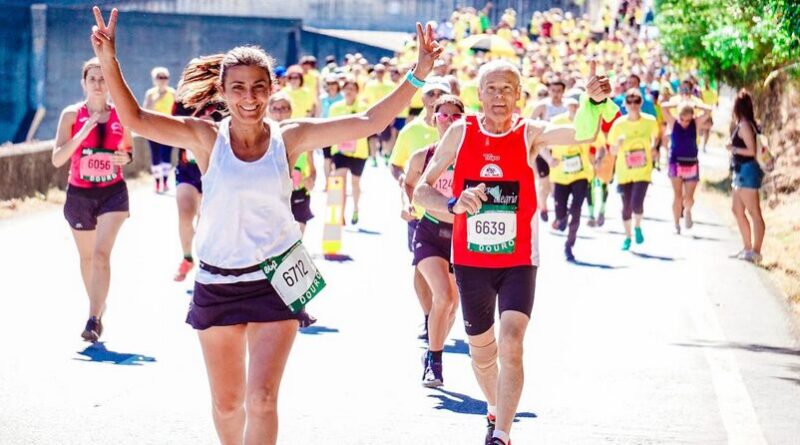
How to Train for Your First 5K, 10K, or Half Marathon
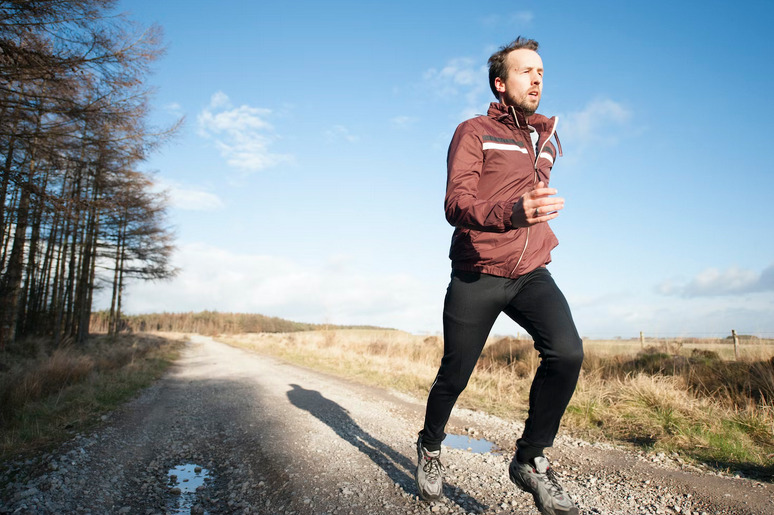
Starting your running journey can feel overwhelming, but small steps make it manageable. Training for a 5K, 10K, or half-marathon demands more than enthusiasm. It needs strategy, pacing, and preparation. Your body, gear, and mindset all play a role in finishing strong. But of course, setting realistic expectations is crucial. Progress might be slower than you hope, and that’s okay. Focus on consistency rather than speed in the early weeks. The journey is as valuable as the finish line itself.
Building a Training Schedule
Many smart tips for running comfortably begin with a plan that gradually increases mileage. For a 5K, start with three runs a week, mixing short and moderate distances. A 10K requires slightly longer sessions and occasional interval training. Half-marathon plans often stretch to four or five sessions weekly with a long run included. Consistency is more important than intensity at the start. Track your runs, note how your body responds, and adjust gradually. Overdoing it early can lead to injuries. Patience pays off in endurance and confidence.
Maintaining Strength With Cross-Training

Running alone isn’t enough for injury prevention. Include strength exercises for legs, core, and glutes. Cross-training, like cycling or swimming, maintains fitness without extra pounding on joints. Flexibility work keeps muscles supple and reduces soreness. These additions enhance running efficiency. They also make longer distances more approachable. Even 20 minutes of strength or yoga between runs makes a noticeable difference. Your body adapts better and feels less fatigued.
Choosing the Right Travel Shoes
Shoes are your foundation for every run. Road running shoes offer cushioning and responsiveness, while trail shoes provide grip and ankle support. Proper fit prevents blisters and joint stress. Comfort should guide your choice over style or brand. If you plan to mix surfaces, consider versatile shoes or rotating pairs. Test them on short runs before tackling longer distances. Footwear affects performance and enjoyment more than most beginners realize. Investing in the right shoes pays off in every mile.
Ensuring the Right Pacing
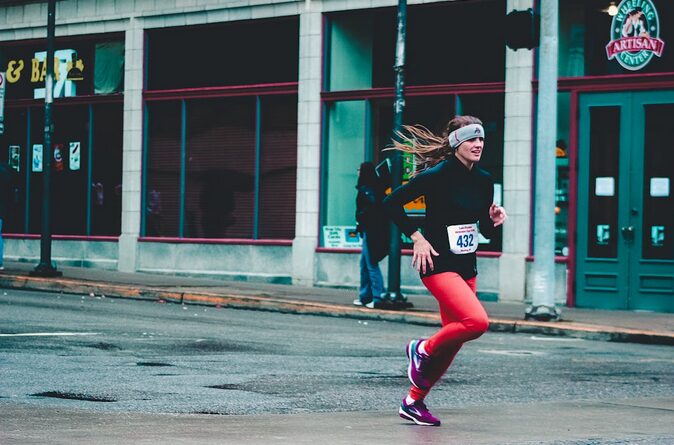
Learning to pace yourself is essential. Start slower than your target speed to avoid burnout. Practice race-like conditions during training for both distance and mental readiness. Nutrition, hydration, and sleep influence race-day performance as much as running itself. Mental strategies are equally important. Visualizing success reduces anxiety and builds confidence. Keep goals realistic and flexible. A well-paced race feels achievable and leaves you eager for the next challenge.
Not Ignoring Recovery and Injury Prevention
Rest days are training days too. Muscles repair and strengthen during recovery, not just on the track. Foam rolling, stretching, and light walks aid circulation and prevent stiffness. Ignoring recovery leads to setbacks and frustration. Monitoring aches and fatigue is key. Mild discomfort is normal; sharp pain is a warning. Adjust intensity or see a professional if needed. A body in tune with your schedule runs longer and stronger. Training for your first 5K, 10K, or half-marathon is a balance of preparation, pacing, and equipment.
Strength, cross-training, and smart footwear reduce injuries and boost enjoyment. Listening to your body while gradually increasing distance ensures consistent progress. With a patient approach, dedication, and these strategies, the finish line becomes not just a goal but a rewarding experience.…
Read More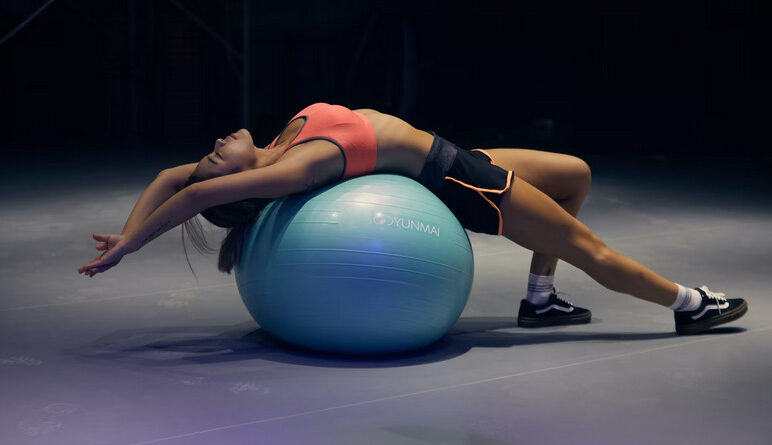
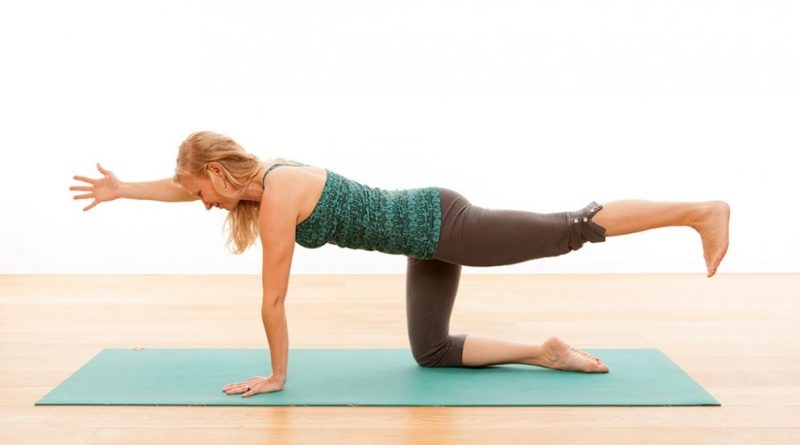
 Those who are new to yoga exercises are likely to make several mistakes that will affect their performance and the results they are likely to get. Here are common mistakes beginners make.
 Another
  A frequent problem not only in yoga, even in exclusively sports activities. When the effort is too great, you try to resist and face it by holding your breath. There is no greater mistake in yoga. The control of breathing – Pranayama – is basic for yoga practice, functional to the asanas themselves. Never neglect this aspect. You would invalidate the whole practice.…
 If you are new to recumbent bikes, you may end up being overwhelmed by the varying price ranges and features that you encounter when shopping for the bike. When buying one, you should remember that this can be a lifetime investment. A wrong choice will hinder, rather than improve, your fitness regimen. Therefore, you should make a sound decision when purchasing the best recumbent exercise bike of 2019. The following are some of the factors to consider.
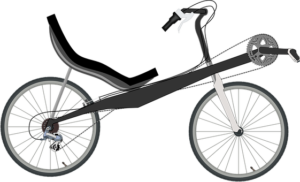 One of the primary reasons people choose recumbent bikes rather than the upright or spinning ones is the comfort factor. If you are not ready for roughing it up, you can go for the stationary bikes. You should consider how long you can sustain the occasional soreness and aches that accompany regular or spin upright bikes. You should consider the comfort level if you are old or overweight. This will ensure your body is in an ergonomic position and keep the feet level to the floor. In addition, it takes the weight off the knees resulting in less injurious movements.…