

A New Chapter: Helping Loved Ones Adjust to Senior Living with Comfort and Care
Moving a loved one into senior living is one of those life moments that stirs up every emotion under the sun. Relief that they’ll have help when they need it. Guilt for even thinking about change. Nostalgia for the way things used to be. Adjustable beds for elderly and other small comforts can make this transition feel less like a goodbye and more like a step forward. It’s all about helping them feel supported, both physically and emotionally. See, change is tricky, especially when it involves leaving behind a familiar home. But with the right mindset and environment, senior living can become an exciting new chapter rather than something to dread.
Building Comfort Into Change
Comfort isn’t just about soft pillows or warm blankets. It’s about creating an environment that feels familiar and safe. The physical setup matters more than you’d expect. Good lighting, supportive furniture, and easy access to essentials can make all the difference. For many seniors, comfort is about control, and being able to adjust their bed or chair on their own adds a touch of dignity to everyday life. Emotional comfort is just as crucial. Moving into a new community can feel like starting at a new school, except this time the cafeteria food might actually be better. Encourage them to bring keepsakes, photos, and favorite items that make the space feel personal. A little familiarity can go a long way in easing the nerves.
Maintaining Independence Without Isolation
One common fear people have about senior living is losing independence. But here’s the thing. Independence doesn’t have to mean doing everything alone. It can mean having the freedom to choose what you do and when you do it, without worrying about safety. Communities today are designed with connection in mind. Social activities, shared meals, and group hobbies help build friendships naturally. Having people around doesn’t take away autonomy; it adds warmth and purpose. The right balance between privacy and interaction can help seniors feel both free and supported.
The Role of Family Support
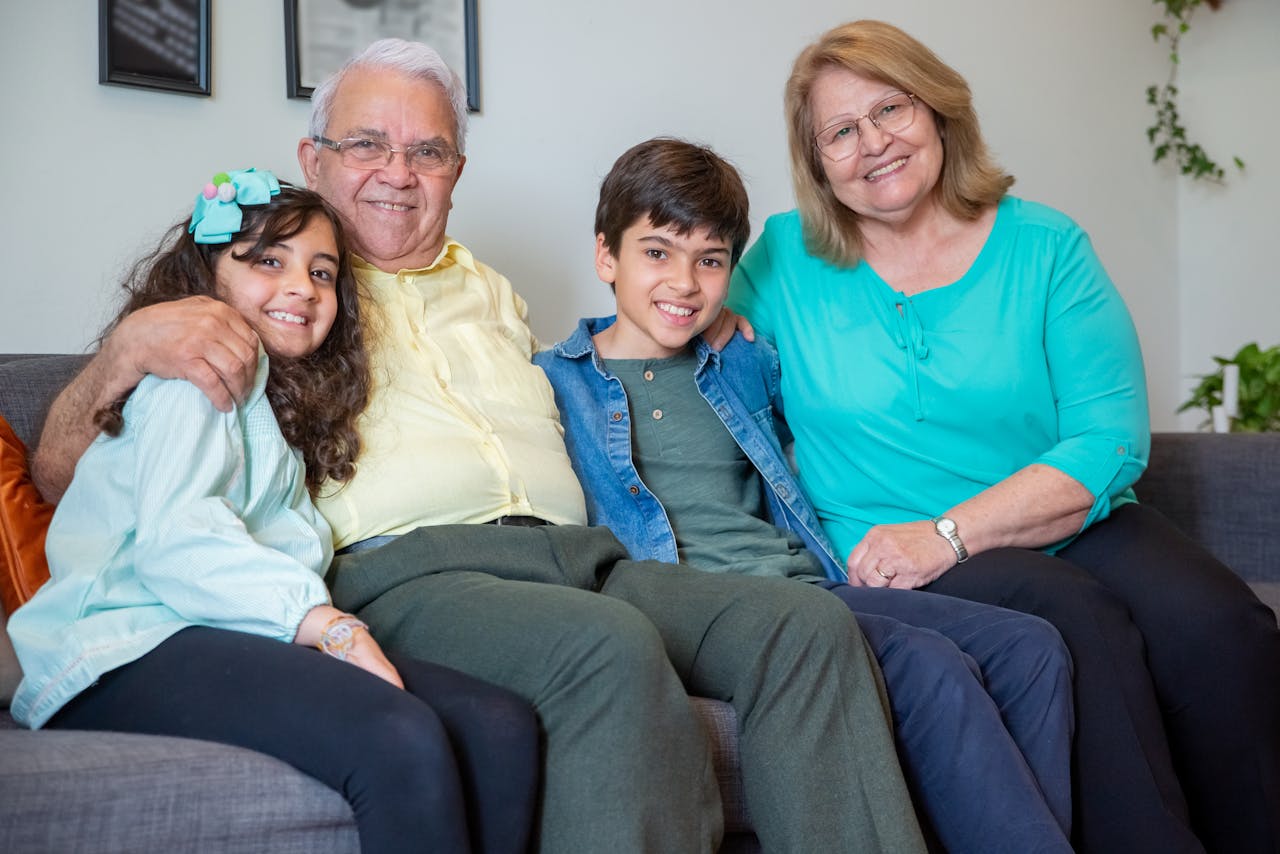
Family still plays the starring role in helping seniors adjust. Your presence and reassurance can calm their fears faster than any brochure or facility tour. Regular visits, video calls, or even simple gestures like sending photos of grandkids can make them feel connected to the outside world. It’s also important for family members to stay informed and involved. Knowing the staff, understanding the routine, and checking in on little details help maintain a sense of partnership. Transitions like this are easier when everyone, including the whole family and caregivers, moves in sync.
Turning Adjustment Into Growth
The move into senior living doesn’t have to be just a transition; it can be a transformation. Many seniors rediscover passions they’d set aside, whether that’s painting, gardening, or leading book clubs. Having access to community spaces and organized activities can spark energy that’s been missing for years. This stage of life can still be full of discovery, laughter, and learning. Comfort and care don’t mean slowing down. Instead, they mean living smarter, safer, and more joyfully. With the right setup and mindset, moving into senior living can feel less like the end of something, and more like the beginning of something good.