
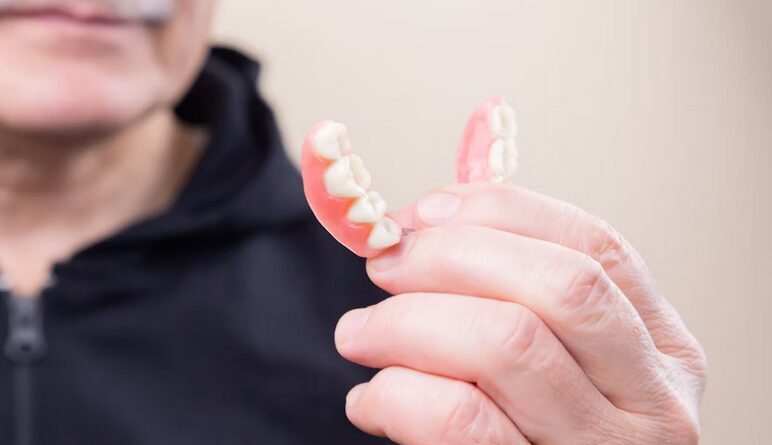
Signs It’s Time to Replace or Reline Your Dentures
Dentures don’t last forever, even with perfect care. But even the best ones need maintenance to perform their best. Read on and you’ll find out why and how to fix it. Over time, they shift, loosen, and lose their comfortable fit. Many people don’t realize that their dentures might already be telling them it’s time for an upgrade. Let’s break down the signs that your dentures are in need of help.
They Feel Loose or Slippery
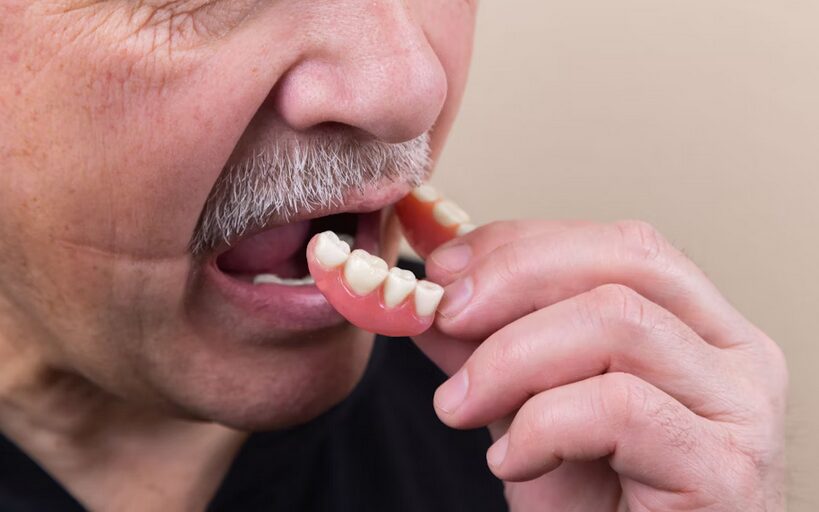
If you Google “Artificial Teeth,” you’ll see that dentures have improved in both comfort and design. However, if your dentures start moving when you talk or eat, that’s a clear red flag. A proper fit should feel snug without glue-like pressure. Over months and years, your gums and jawbone naturally change shape. This means your once-perfect dentures can become unstable. A quick fix might involve a reline, basically a new lining that adjusts the fit. It’s like tightening your shoes after they’ve stretched. But if slipping continues, a full replacement might be the smarter route. Loose dentures aren’t just annoying; they can also affect speech and digestion.
Your Gums Feel Sore or Irritated
Soreness is your mouth’s way of waving a red flag. Dentures that rub or pinch can cause inflammation, blisters, or even infection if left unchecked. You shouldn’t need to “toughen up” your gums to wear them comfortably. A dentist can reline or remake them to remove the pressure points. Comfort is non-negotiable here. Think of it this way. Your mouth deserves the same attention you’d give to an ill-fitting pair of glasses. You wouldn’t wear frames that dig into your nose all day, right?
Chewing Feels Like a Workout

If your meals have turned into chewing challenges, it might not be the food—it might be the dentures. Worn dentures lose their alignment, making it harder to bite and grind properly. This can leave you avoiding tougher foods like apples or steak altogether. Your dentist can check if a reline will restore balance or if it’s time for a new pair. Eating should bring joy, not jaw fatigue. Restoring that comfort can make a huge difference in daily life, especially for seniors who depend on dentures for proper nutrition.
Speech Starts to Sound Off
You know that subtle whistle or lisp that wasn’t there before? It’s not your imagination. Poor-fitting dentures can alter airflow and tongue movement, which affects how words come out. It’s one of the more embarrassing signs, but also one of the easiest to fix. A slight adjustment or reline often corrects the issue quickly. Speech patterns usually bounce back within days once your dentures fit properly again. Remember that your dentures should help you sound like yourself, not make you sound like someone learning to whistle mid-conversation.
Visible Cracks or Discoloration Appear
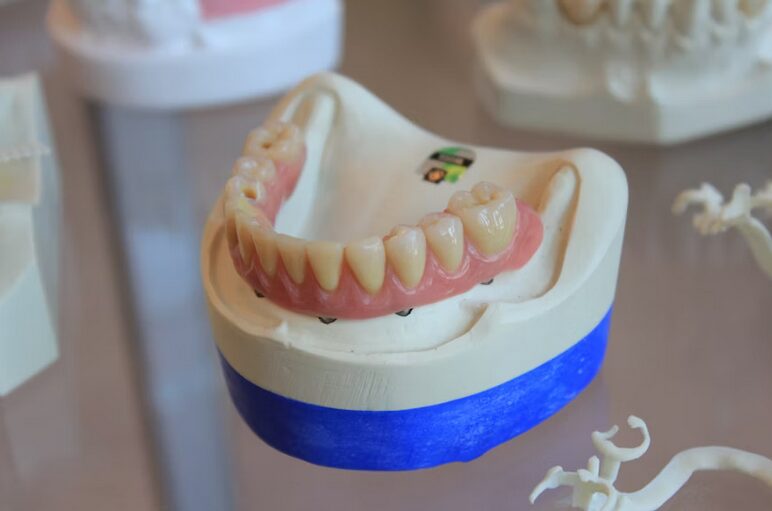
Dentures deal with a lot—biting, cleaning, soaking, and time. Small cracks, stains, or chips might look minor but can harbor bacteria or weaken the structure. Think of them like hairline fractures in a bridge. Small today, trouble tomorrow. Professional cleaning can sometimes help, but if the material has worn down, replacement is often the safer call. Fresh dentures not only look cleaner but also feel sturdier and smoother in your mouth. It’s a worthwhile upgrade for both health and confidence.
Your dentures should feel like part of you, not a constant inconvenience. If you’ve noticed looseness, soreness, or difficulty chewing, take it as a signal to act. A quick reline or new set can restore comfort, function, and a natural smile. Like any important tool, dentures deserve attention and care because a confident smile starts with comfort.