
The Role of Movement Programs in Assisted Living Environments
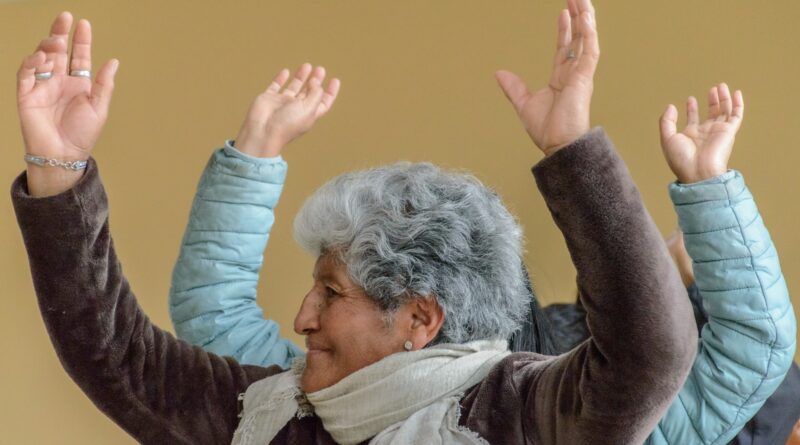
Movement programs play a vital role in supporting physical health, independence, and emotional well-being within assisted living environments. Regular, structured activity helps residents maintain mobility, reduce fall risk, and stay socially engaged, all of which contribute to a higher quality of life. LTC News examines private apartment options within assisted care communities as part of the broader conversation on resident-centered care. When movement programs are aligned with personalized living spaces, they create environments that support both autonomy and safety. Understanding how these programs function highlights why movement is a cornerstone of modern assisted living design and care planning.
Supporting Mobility and Fall Prevention
One of the goals of movement programs in assisted living is maintaining mobility. Regular guided movement helps residents preserve strength, joint flexibility, and balance. These factors directly affect how safely someone can walk, stand, or transfer from sitting to standing. Movement sessions often include slow, controlled exercises that build stability over time. That reduces fall risk, which is a major concern in assisted living settings. When residents feel steadier on their feet, they move with more confidence instead of hesitation. That confidence alone can lower accident risk and improve overall comfort during daily activities.
Encouraging Cognitive Engagement and Routine
Movement programs also support mental engagement by giving residents something structured to look forward to. Following instructions, remembering sequences, and coordinating movements all activate cognitive processes. This mental involvement helps keep routines consistent and days feeling purposeful. Group movement sessions add another layer by encouraging participation and focus within a shared activity. The combination of light physical effort and mental attention helps residents stay present. Over time, this regular engagement can improve alertness and reduce feelings of restlessness that sometimes appear when daily schedules lack variety or stimulation.
Promoting Social Interaction and Emotional Well-Being
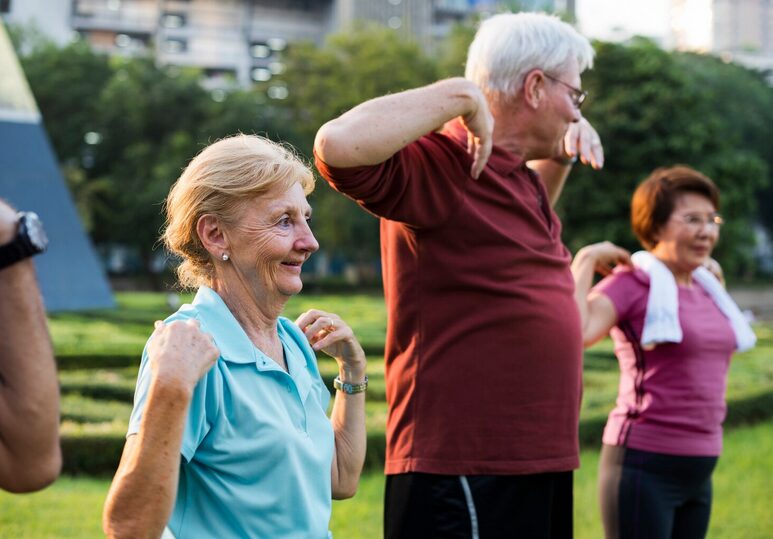
Group movement programs create natural opportunities for social connection. Residents often feel more relaxed interacting during shared activities than in formal settings. Simple conversation before or after sessions builds familiarity and minimizes isolation. Movement also supports emotional health by encouraging the release of tension and improving mood. Even gentle activity can help residents feel more positive and energized. When people move together, it creates a sense of shared experience rather than individual effort. This social element is just as valuable as the physical benefits, especially in environments where community plays a central role in daily life.
Adapting Programs to Individual Abilities
Effective movement programs are flexible and inclusive. Assisted living residents have different mobility levels, health considerations, and comfort zones. Programs are often adjusted with seated options, slower pacing, or modified movements to ensure everyone can participate safely. This adaptability prevents frustration and reduces injury risk. When residents feel that activities respect their limits, participation increases. Adapted programs also reinforce dignity by allowing individuals to engage without comparison. The focus stays on personal progress rather than performance, which helps residents feel supported instead of pressured.
Movement programs are a core part of healthy assisted living environments. They support mobility, mental engagement, emotional well-being, and social connection without demanding more than residents can comfortably give. By focusing on consistency and adaptability, these programs fit naturally into daily routines. Residents benefit not only from physical activity but from the structure and interaction that come with it. Over time, these programs help residents stay active, connected, and confident in their everyday lives.