

Tips for Choosing the Best Fitness App for Your Goals
In today’s health-focused environment, selecting the right fitness app is crucial for anyone serious about achieving measurable results. With so many options available, the choice can feel overwhelming, yet the right app can make the difference between consistent progress and stalled efforts. Fitness apps provide personalized guidance, progress tracking, and motivational features, helping users stay accountable while reaching goals efficiently. Understanding key factors before selecting an app ensures workouts are optimized, performance is monitored accurately, and the user experience supports long-term commitment to health and fitness objectives.
Identify Your Primary Fitness Goal
Before downloading any app, define what you hope to achieve. For this, you might find Clubfit on Zendesk easy to navigate. Are you considering losing weight, building strength, increasing endurance, or improve flexibility? Different apps specialize in specific areas, and understanding your goal narrows the options. For instance, some platforms offer detailed strength-training routines, while others focus on cardio tracking or holistic wellness. Choosing an app aligned with your objective allows you to use its features effectively and track relevant metrics. Without a clearly defined goal, you may find yourself juggling features you don’t need, reducing both motivation and effectiveness.
Evaluate User Interface and Ease of Use
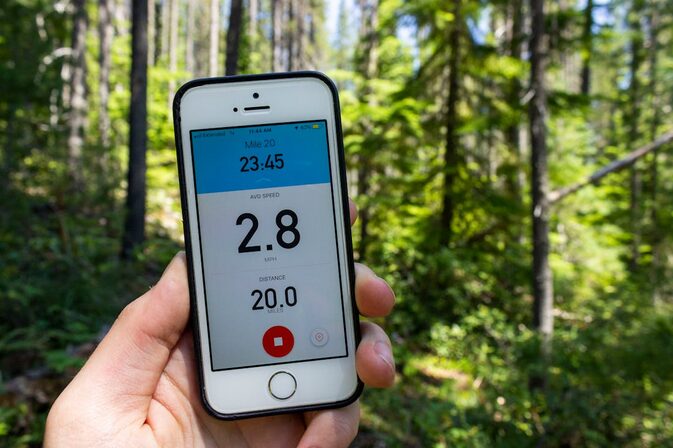
A fitness app should be straightforward, intuitive, and easy to navigate. Complicated interfaces can discourage consistent use, whereas clear layouts encourage daily engagement. Check if the app allows quick access to your workout history, progress charts, and goal tracking. Apps with simple logging options, visual progress indicators, and minimal setup requirements generally increase adherence. Additionally, consider whether your app integrates with other devices or wearable technology, as this can further simplify tracking. An efficient interface reduces friction and makes it easier to focus on achieving results rather than learning the software.
Check for Personalization Features
Personalized guidance can significantly improve outcomes. Look for apps that adapt workouts based on your experience level, fitness assessments, or past progress. Features like adjustable intensity, adaptive routines, and tailored reminders help keep training relevant and challenging. Some apps offer nutrition tracking or recovery recommendations, which complement exercise routines for comprehensive health improvement. Personalization ensures workouts evolve as you progress, reducing plateaus and maintaining engagement over time. Apps without customization may feel generic and less motivating, decreasing the likelihood of achieving sustained results.
Consider Community and Support Options

Fitness motivation is often strengthened through community engagement. Many apps include social or community features where users share achievements, challenges, or progress updates. Peer interaction can inspire consistency, provide accountability, and offer practical advice. Support features, such as FAQs, chat assistance, or tutorial content, also enhance usability and reduce frustration. Before committing to an app, explore its help resources and community features to see whether they suit your preferences. A supportive environment encourages regular use and can help overcome obstacles that might otherwise hinder progress.
Evaluate Data Tracking and Insights
A critical advantage of fitness apps is their ability to record and analyze performance metrics. Look for platforms that monitor relevant data, such as calories burned, steps taken, distance covered, heart rate, or workout duration. Graphical reports and trends allow you to assess progress over time, identify weaknesses, and adjust routines accordingly. Some apps also integrate with other tools, such as nutrition trackers or wearable devices, offering a holistic view of health. Access to clear, actionable insights helps you make informed decisions, maximize results, and maintain motivation by visualizing measurable achievements.
Choosing the right fitness app involves more than just picking a popular option. By identifying primary goals, evaluating user interfaces, considering personalization, exploring community support, and analyzing data tracking features, users can select a tool that genuinely improves performance and consistency. A well-chosen app provides structure, accountability, and measurable progress, transforming health routines into manageable, enjoyable, and effective practices. Thoughtful selection empowers individuals to remain committed, adapt routines intelligently, and sustain long-term fitness growth, maximizing both results and overall satisfaction.