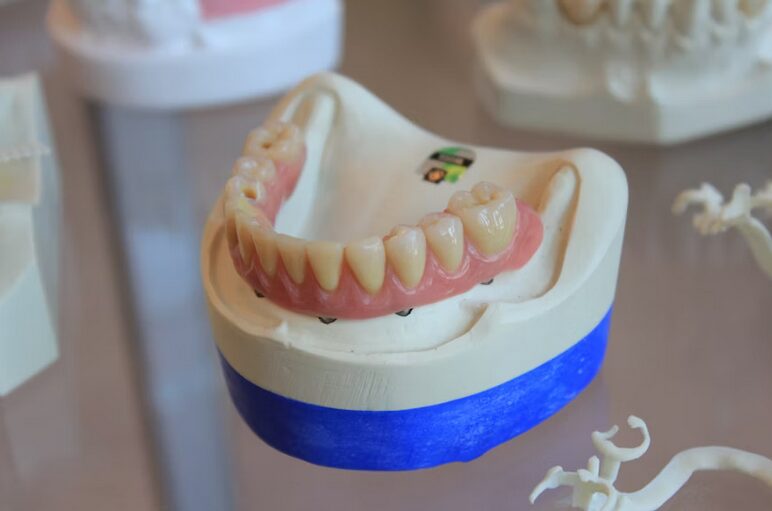
health

Health

Composite Bonding Explained: A Simple Fix for Chips, Gaps, and Stains

A chipped tooth can feel like a spotlight you never asked for. Small gaps or stubborn stains can also nag at your confidence, even if your teeth are healthy. Composite bonding often steps in as the quiet hero for these everyday smile concerns. To find out where experienced cosmetic care is available locally, view on Google Maps and get a clearer sense of your options.

What Composite Bonding Actually Is

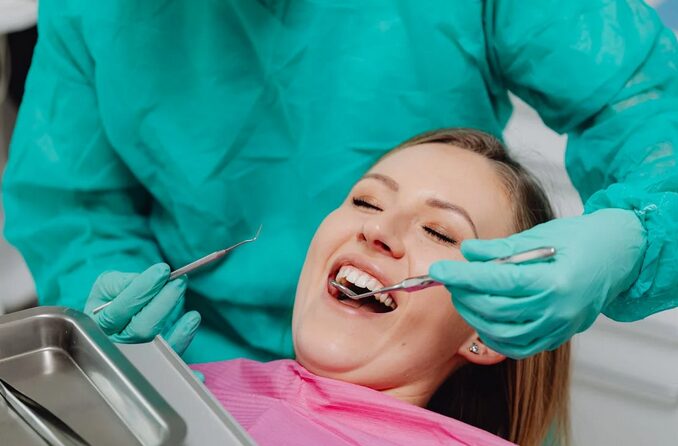
Composite bonding uses a tooth-coloured resin that blends with your natural enamel. The dentist applies it directly to the tooth surface and shapes it by hand. A special light hardens the material within minutes. The result looks natural and feels comfortable when done well. This treatment focuses on surface-level changes rather than deep structural work. It works best for minor chips, slight gaps, or uneven edges. Bonding does not require drilling in most cases, which helps people stay relaxed in the chair. Many patients leave with a visible change after a single visit.

Why People Choose Bonding Over Other Treatments

dental treatments

One big reason is speed. Composite bonding often takes less than an hour per tooth, which suits busy schedules. There is no lab wait and no temporary fittings. That instant result feels satisfying, like fixing a scratch on a new car. Cost also plays a role in the decision. Bonding is usually more affordable than veneers or crowns. It allows people to improve their smile without committing to extensive dental work. For first-time cosmetic patients, this option often feels approachable.

How Long Composite Bonding Lasts

Bonding is durable, but it is not invincible. On average, it lasts several years with normal care. Biting hard objects, nail chewing, or using teeth as tools can shorten its lifespan. Regular brushing and sensible habits make a noticeable difference. Unlike some treatments, bonding can be repaired rather than replaced. If a small chip appears, a dentist can touch it up quickly. That flexibility appeals to people who prefer low-pressure solutions. It keeps maintenance straightforward and manageable.

What the Procedure Feels Like
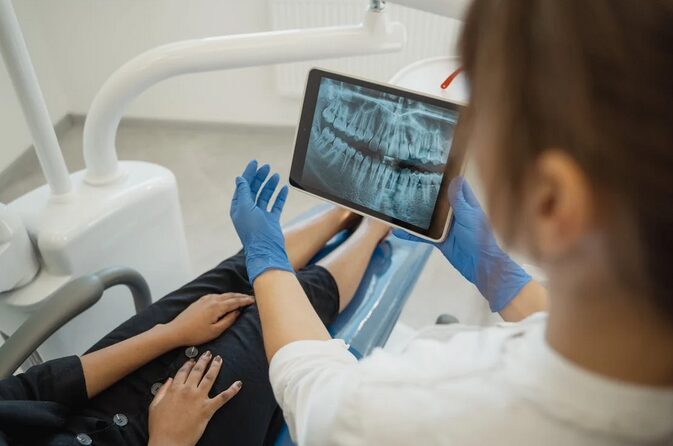
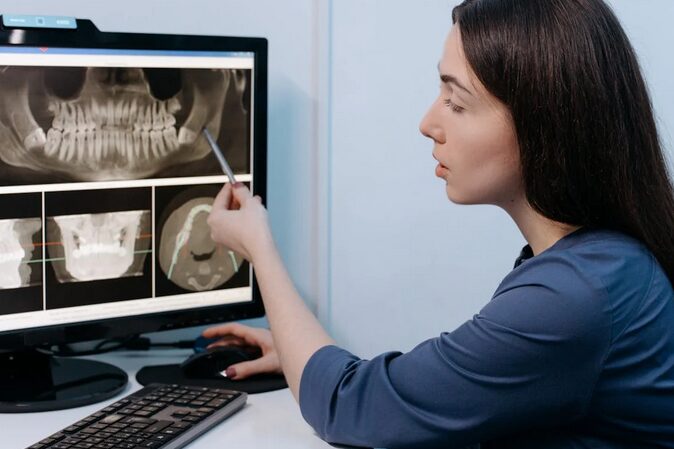
teeth scan

Most people are surprised by how simple the appointment feels. Anaesthesia is rarely needed unless the bonding covers a sensitive area. You can chat, blink, and relax while the dentist works. It feels more like an art session than a medical procedure. After shaping the resin, the dentist polishes it to match the surrounding teeth. The surface becomes smooth and comfortable against the tongue. There is no downtime, so you can return to work or social plans the same day. That ease is a big plus for nervous patients.

Who Is a Good Candidate for Bonding

Bonding suits people with generally healthy teeth and gums. It works well for cosmetic tweaks rather than major corrections. Those with heavy grinding habits may need extra protection, like a night guard. A dental check helps confirm suitability before starting. This option also appeals to patients who want subtle improvement. Bonding keeps the original tooth structure mostly intact. That conservative approach feels reassuring to many adults. It allows change without crossing into dramatic territory.

Composite bonding proves that small changes can make a big difference. It fixes common smile issues without heavy commitment or long recovery. For many people, that balance feels just right. A confident smile often starts with one simple step.…

Read More


Health

Fit After 60: The Low-Impact Exercises Every Retiree Should Try

Staying active past 60 doesn’t require extreme routines or gym marathons. Many retirees thrive by choosing exercises that feel kind to their joints yet still pack real benefits. A lot of people gain new motivation after reading House of Coco’s uplifting perspective on embracing your golden years, simply because it reminds them that movement can be a joy, not a burden.

Water Aerobics for Joint Comfort

Water makes movement feel lighter, which helps people with stiff knees or hips. Simple kicks, arm sweeps, and gentle jogging in the pool support muscle tone without heavy impact. Many find the water soothing as well as energizing. The environment encourages slow, steady motion. Classes can also boost motivation. Group sessions often feel friendly and relaxed. You work at your own pace, yet still feel connected to others. It’s a refreshing option for retirees who want activity with a softer touch.

Walking for Everyday Strength

walking

Walking may look simple, but it carries plenty of value. It boosts circulation, supports mobility, and keeps your legs strong without stressing your joints. You can adjust your pace based on how you feel each day. Even short walks add up faster than many expect. Try switching locations to keep the habit interesting. Parks, quiet neighborhoods, or indoor tracks all bring a different atmosphere. My friend even began walking with his friend each morning, and he said the conversation kept him going more than the exercise itself. That social spark made the routine stick.

Tai Chi for Balance and Calm

Tai Chi mixes slow motion with focused breathing, creating a smooth flow that feels like moving meditation. The movements help with balance and coordination, which matter more as the years pass. Many seniors enjoy its calm rhythm. It doesn’t push the body harshly yet encourages steady progress. You can practice indoors or outside. Some follow guided videos. Others join small groups in community centers. The slow pace makes it accessible for beginners. Tai Chi also encourages patience, which tends to make the routine easier to maintain long-term.

Yoga for Flexibility and Stability

old woman doing yoga

Yoga supports flexibility and helps maintain steadiness in daily movements. Gentle poses such as seated stretches, slow standing work, and supported balance positions all encourage gradual improvement. The pace feels comfortable, especially for beginners. You can adapt poses easily to suit your comfort level. Some retirees enjoy chair-supported yoga, while others prefer floor mats. Instructors often provide several variations for each pose. That makes the experience feel accessible instead of stressful. Over time, many notice better posture and easier everyday motion.

Chair Exercises for Gentle Mobility

Chair exercises offer controlled support while still working major muscle groups. Light leg lifts, seated arm motions, and gentle twists help keep the body moving. These routines build confidence for those easing back into activity. They also help on days when energy feels lower than usual. Add light resistance bands for extra challenge. Bands help strengthen the arms and legs without putting strain on joints. Many people appreciate the flexibility of these routines. You can do them while watching TV or listening to music. The key is staying consistent.

Staying fit after 60 doesn’t demand intense training. These low-impact exercises provide practical, friendly ways to stay active without harsh strain. Pick the movements that feel right for you, mix them up, and enjoy how they help your body feel more capable each day.…

Read More
Health

Tips for Choosing the Best Fitness App for Your Goals

In today’s health-focused environment, selecting the right fitness app is crucial for anyone serious about achieving measurable results. With so many options available, the choice can feel overwhelming, yet the right app can make the difference between consistent progress and stalled efforts. Fitness apps provide personalized guidance, progress tracking, and motivational features, helping users stay accountable while reaching goals efficiently. Understanding key factors before selecting an app ensures workouts are optimized, performance is monitored accurately, and the user experience supports long-term commitment to health and fitness objectives.

Identify Your Primary Fitness Goal

Before downloading any app, define what you hope to achieve. For this, you might find Clubfit on Zendesk easy to navigate. Are you considering losing weight, building strength, increasing endurance, or improve flexibility? Different apps specialize in specific areas, and understanding your goal narrows the options. For instance, some platforms offer detailed strength-training routines, while others focus on cardio tracking or holistic wellness. Choosing an app aligned with your objective allows you to use its features effectively and track relevant metrics. Without a clearly defined goal, you may find yourself juggling features you don’t need, reducing both motivation and effectiveness.

Evaluate User Interface and Ease of Use

app interface

A fitness app should be straightforward, intuitive, and easy to navigate. Complicated interfaces can discourage consistent use, whereas clear layouts encourage daily engagement. Check if the app allows quick access to your workout history, progress charts, and goal tracking. Apps with simple logging options, visual progress indicators, and minimal setup requirements generally increase adherence. Additionally, consider whether your app integrates with other devices or wearable technology, as this can further simplify tracking. An efficient interface reduces friction and makes it easier to focus on achieving results rather than learning the software.

Check for Personalization Features

Personalized guidance can significantly improve outcomes. Look for apps that adapt workouts based on your experience level, fitness assessments, or past progress. Features like adjustable intensity, adaptive routines, and tailored reminders help keep training relevant and challenging. Some apps offer nutrition tracking or recovery recommendations, which complement exercise routines for comprehensive health improvement. Personalization ensures workouts evolve as you progress, reducing plateaus and maintaining engagement over time. Apps without customization may feel generic and less motivating, decreasing the likelihood of achieving sustained results.

Consider Community and Support Options

community support

Fitness motivation is often strengthened through community engagement. Many apps include social or community features where users share achievements, challenges, or progress updates. Peer interaction can inspire consistency, provide accountability, and offer practical advice. Support features, such as FAQs, chat assistance, or tutorial content, also enhance usability and reduce frustration. Before committing to an app, explore its help resources and community features to see whether they suit your preferences. A supportive environment encourages regular use and can help overcome obstacles that might otherwise hinder progress.

Evaluate Data Tracking and Insights

A critical advantage of fitness apps is their ability to record and analyze performance metrics. Look for platforms that monitor relevant data, such as calories burned, steps taken, distance covered, heart rate, or workout duration. Graphical reports and trends allow you to assess progress over time, identify weaknesses, and adjust routines accordingly. Some apps also integrate with other tools, such as nutrition trackers or wearable devices, offering a holistic view of health. Access to clear, actionable insights helps you make informed decisions, maximize results, and maintain motivation by visualizing measurable achievements.

Choosing the right fitness app involves more than just picking a popular option. By identifying primary goals, evaluating user interfaces, considering personalization, exploring community support, and analyzing data tracking features, users can select a tool that genuinely improves performance and consistency. A well-chosen app provides structure, accountability, and measurable progress, transforming health routines into manageable, enjoyable, and effective practices. Thoughtful selection empowers individuals to remain committed, adapt routines intelligently, and sustain long-term fitness growth, maximizing both results and overall satisfaction.…

Read More
Health

I Wish I Knew This Sooner: Choosing a Family Dentist Is a Must

Most people treat dental visits like a last-minute chore. You go when something hurts, hope for the best, and promise you’ll book earlier “next time.” But choosing one dentist for the whole household changes everything. Many families eventually pick a provider like Forestream Dental Care because having a single place for everyone makes life simpler and far less stressful.

Consistency That Makes Every Visit Easier

dentist visit

A family dentist sees you regularly, so they know your history. You don’t need to explain the same concerns over and over. They remember past treatments, sensitivities, and habits. That familiarity makes appointments feel smoother. This consistency also helps spot problems early. Small issues get handled before they turn into big, uncomfortable surprises. Kids benefit even more. See, they grow up feeling safe and cared for in a familiar environment. Routine visits turn into something normal instead of scary.

Convenience for Busy Families

One clinic for the whole family saves precious time. Instead of juggling appointments at different locations, you schedule everything together. It feels like checking multiple boxes in one trip. Busy parents appreciate that efficiency more than they expect. You also avoid the headache of different billing systems, different records, and different communication styles. Everything stays under one roof. It’s the kind of practical benefit that becomes obvious once you’ve lived without it. Smooth logistics equal fewer forgotten appointments and less stress.

Trust Over the Years

Trust grows faster when your dentist treats your whole household. You see how they talk to your kids, your partner, and even your anxious relatives. You learn quickly if they’re patient, gentle, and honest. That matters more than any advertisement ever could. When emergencies pop up, which they always do at the worst time, you already have someone who knows your situation. You’re not scrambling through online reviews while holding an ice pack on your cheek. Trust makes a difference.

Comfortable Communication You Don’t Have to Repeat

Talking to someone who already understands your concerns feels comforting. You can be honest without feeling embarrassed. Your dentist knows your preferences, such as what makes you nervous, what helps you relax, and what types of treatment you like or avoid. This saves time and prevents misunderstandings. You don’t have to start from scratch at every appointment. Your dentist becomes part of your family’s support system, just like a primary doctor or a trusted teacher.

Better Preventive Care for Everyone

preventive care

A family dentist focuses on long-term health, not rushed fixes. They notice patterns passed through generations and give early warnings. “Everyone in your family has gum sensitivity, let’s manage that early.” That kind of insight keeps small issues from becoming expensive repairs. Kids especially gain a strong foundation. They learn good brushing habits, how to handle flossing, and why cleanings matter. By the time they’re older, dental care feels natural instead of intimidating. A strong start leads to better lifelong habits.

Support During Dental Emergencies

Dental surprises happen out of nowhere. We’re talking cracked fillings, sudden toothaches, chipped teeth. Having a family dentist means you aren’t stuck guessing where to go. You contact the same trusted team, and they guide you right away. That alone removes half the stress. Emergency guidance, even over the phone, helps you stay calm. And because your history is already on file, care becomes fast and accurate. Efficient help makes emergencies manageable instead of chaotic.

Choosing a family dentist earlier saves time, stress, and discomfort. It gives your household a sense of security and familiarity. Once you experience the difference, you’ll wonder why you didn’t do it sooner. A caring, consistent dental home makes every smile easier to maintain.…

Read More
Health

How Injury Clinics Incorporate Nutrition Advice for Faster Healing

Recovering from an injury involves more than rest and therapy. The body needs the right nutrients to repair tissues, reduce inflammation, and regain strength. That is why many injury clinics now integrate nutrition advice into their recovery programs. By combining professional medical care with dietary guidance, clinics help patients recover faster and more effectively. This holistic approach treats the body as a whole, giving individuals the tools to heal, prevent setbacks, and regain full functionality.

Understanding the Role of Nutrition in Recovery

Nutrition plays a vital role in the body’s healing process, and East Coast Injury Clinic fully understands this. Proteins, vitamins, minerals, and healthy fats all contribute to tissue repair and inflammation management. Injury clinics recognize that recovery is not just about exercise or physical therapy. What a patient eats can either support or slow down progress. By educating patients about proper nutrition, clinics help them understand how food affects recovery, strength, and overall health. This understanding creates a foundation for long-term wellness.

Assessing Individual Dietary Needs

No two injuries or bodies are alike. Injury clinics often start with an assessment of a patient’s diet and nutritional gaps. Factors such as age, activity level, medical history, and injury type are considered. This personalized evaluation allows the clinic to recommend foods, supplements, or meal plans that address specific healing needs. By tailoring advice to the individual, clinics create a unique path that complements physical therapy and other treatments.

Incorporating Protein for Tissue Repair

eggs

Protein is a key nutrient for repairing muscles, ligaments, and tendons. Injury clinics guide patients to include sufficient protein in their diet, either from whole foods or supplements. Lean meats, fish, eggs, legumes, and dairy are common recommendations. For patients recovering from severe injuries, protein intake may be increased to accelerate tissue regeneration. This strategy is critical because muscles need building blocks to rebuild after damage, and protein provides exactly that.

Using Vitamins and Minerals to Reduce Inflammation

Certain vitamins and minerals help the body manage inflammation and promote healing. Clinics often emphasize nutrients such as vitamin C, vitamin D, zinc, and magnesium. These nutrients support collagen formation, bone health, and immune function. Nutrition advice may include eating fruits, vegetables, nuts, and seeds rich in these compounds. Proper intake ensures the body can repair itself efficiently, which reduces downtime and improves recovery outcomes.

Guiding Hydration and Supplementation

Hydration is another essential factor in recovery. Water supports cellular repair and helps flush out toxins. Injury clinics often instruct patients on optimal hydration and how it interacts with nutrients. In some cases, supplements like omega-3 fatty acids or antioxidants are suggested. These additions can reduce inflammation, improve circulation, and enhance tissue repair. Guidance on timing and dosage helps patients gain the maximum benefit without overcomplicating their routine.

Combining Nutrition With Therapy and Exercise

therapy

Nutrition alone is not enough to speed recovery. Injury clinics integrate dietary guidance with physical therapy, strength exercises, and mobility training. This combination allows the body to heal while gradually regaining function. Clinics monitor progress and adjust nutritional advice as the patient improves. The synergy between diet and therapy ensures a comprehensive recovery plan that addresses both structural repair and overall wellness.

Educating Patients for Long-Term Health

Beyond immediate recovery, injury clinics aim to teach patients lifelong nutritional habits. Understanding how food affects injury prevention, energy levels, and immunity helps patients stay healthy even after recovery. Clinics often provide resources, meal plans, and ongoing support. This educational approach empowers patients to make informed choices that support both their current healing and future performance. By adopting these habits, individuals reduce the risk of recurring injuries and maintain stronger overall health.

Incorporating nutrition advice into injury recovery is no longer optional. It’s a vital part of modern care. Injury clinics combine expert guidance, individualized assessments, and science-backed strategies to help patients heal faster and smarter. From protein intake to vitamins, hydration, and long-term education, nutrition is seamlessly woven into therapy plans. This holistic approach not only improves recovery outcomes but also empowers patients to maintain optimal health beyond injury. With the right combination of care, food, and guidance, healing becomes faster, more efficient, and more sustainable.…

Read More
Health

Signs It’s Time to Replace or Reline Your Dentures

Dentures don’t last forever, even with perfect care. But even the best ones need maintenance to perform their best. Read on and you’ll find out why and how to fix it. Over time, they shift, loosen, and lose their comfortable fit. Many people don’t realize that their dentures might already be telling them it’s time for an upgrade. Let’s break down the signs that your dentures are in need of help.

They Feel Loose or Slippery

If you Google “Artificial Teeth,” you’ll see that dentures have improved in both comfort and design. However, if your dentures start moving when you talk or eat, that’s a clear red flag. A proper fit should feel snug without glue-like pressure. Over months and years, your gums and jawbone naturally change shape. This means your once-perfect dentures can become unstable. A quick fix might involve a reline, basically a new lining that adjusts the fit. It’s like tightening your shoes after they’ve stretched. But if slipping continues, a full replacement might be the smarter route. Loose dentures aren’t just annoying; they can also affect speech and digestion.

Your Gums Feel Sore or Irritated

Soreness is your mouth’s way of waving a red flag. Dentures that rub or pinch can cause inflammation, blisters, or even infection if left unchecked. You shouldn’t need to “toughen up” your gums to wear them comfortably. A dentist can reline or remake them to remove the pressure points. Comfort is non-negotiable here. Think of it this way. Your mouth deserves the same attention you’d give to an ill-fitting pair of glasses. You wouldn’t wear frames that dig into your nose all day, right?

Chewing Feels Like a Workout

chewing

If your meals have turned into chewing challenges, it might not be the food—it might be the dentures. Worn dentures lose their alignment, making it harder to bite and grind properly. This can leave you avoiding tougher foods like apples or steak altogether. Your dentist can check if a reline will restore balance or if it’s time for a new pair. Eating should bring joy, not jaw fatigue. Restoring that comfort can make a huge difference in daily life, especially for seniors who depend on dentures for proper nutrition.

Speech Starts to Sound Off

You know that subtle whistle or lisp that wasn’t there before? It’s not your imagination. Poor-fitting dentures can alter airflow and tongue movement, which affects how words come out. It’s one of the more embarrassing signs, but also one of the easiest to fix. A slight adjustment or reline often corrects the issue quickly. Speech patterns usually bounce back within days once your dentures fit properly again. Remember that your dentures should help you sound like yourself, not make you sound like someone learning to whistle mid-conversation.

Visible Cracks or Discoloration Appear

stained dentures

Dentures deal with a lot—biting, cleaning, soaking, and time. Small cracks, stains, or chips might look minor but can harbor bacteria or weaken the structure. Think of them like hairline fractures in a bridge. Small today, trouble tomorrow. Professional cleaning can sometimes help, but if the material has worn down, replacement is often the safer call. Fresh dentures not only look cleaner but also feel sturdier and smoother in your mouth. It’s a worthwhile upgrade for both health and confidence.

Your dentures should feel like part of you, not a constant inconvenience. If you’ve noticed looseness, soreness, or difficulty chewing, take it as a signal to act. A quick reline or new set can restore comfort, function, and a natural smile. Like any important tool, dentures deserve attention and care because a confident smile starts with comfort.…

Read More
Health

The Link Between Stress, Cortisol, and Belly Fat

Stress affects the body in more ways than most people realize, and one of the clearest signs is stubborn fat around the midsection. It is often connected to elevated cortisol levels, the body’s primary stress hormone. Understanding why cortisol belly happens and how to get rid of it is essential because abdominal fat is not just a cosmetic concern but also a health risk. It increases the chances of developing heart disease, type 2 diabetes, and hormonal imbalances, making it vital to explore the link between stress, cortisol, and belly fat.

How Stress Triggers Cortisol Production

Whenever the body perceives stress—whether from work pressure, financial worries, or even lack of sleep—it activates the “fight or flight” response. This process stimulates the adrenal glands to release cortisol, which provides the body with quick energy by increasing blood sugar levels. While useful in short bursts, chronic stress leads to consistently elevated cortisol levels. Over time, this hormone imbalance affects metabolism and encourages fat storage, particularly in the midsection.

Why Cortisol Promotes Belly Fat

Cortisol plays a direct role in fat distribution, and research shows it has a tendency to push fat storage toward the abdominal area. Unlike fat stored elsewhere in the body, visceral fat around the belly is more metabolically active and sensitive to hormonal changes. High cortisol levels increase appetite, making people crave calorie-dense, sugary foods, while also slowing down fat burning. This combination makes it particularly difficult to reduce belly fat when stress levels remain high.

The Cycle of Stress, Eating, and Weight Gain

Stress often fuels emotional eating, creating a vicious cycle that reinforces belly fat accumulation. Elevated cortisol increases hunger and cravings, particularly for comfort foods rich in sugar and fat. Eating these foods temporarily reduces stress by boosting dopamine, the brain’s feel-good chemical. However, this relief is short-lived, and as cortisol levels remain high, the body continues to store fat, especially in the abdomen. Breaking this cycle requires both stress management and healthier coping mechanisms.

Health Risks of Cortisol-Driven Belly Fat

Belly fat caused by stress is not just a cosmetic concern; it carries serious health risks. Visceral fat surrounds vital organs like the liver, heart, and pancreas, increasing the risk of type 2 diabetes, heart disease, and metabolic syndrome. Elevated cortisol also contributes to high blood pressure and weakened immune function. This makes managing stress not only essential for weight control but also for long-term health and disease prevention.

Strategies to Reduce Stress and Cortisol

Managing cortisol levels is key to reducing belly fat and improving overall well-being. Regular exercise helps lower stress while supporting fat loss. Adequate sleep is equally important, as sleep deprivation elevates cortisol levels and disrupts metabolism. Mindfulness practices also reduce stress responses in the body. Combined with balanced nutrition and hydration, these habits form a powerful approach to breaking the stress-cortisol-belly fat connection.

The link between stress, cortisol, and belly fat highlights the importance of looking beyond diet and exercise in weight management. Chronic stress elevates cortisol, which directly encourages abdominal fat storage and triggers unhealthy eating habits. Left unchecked, this process not only makes it harder to lose weight but also increases the risk of serious health conditions. By actively managing stress through lifestyle changes, sleep, and mindfulness, it becomes possible to lower cortisol levels and reduce belly fat more effectively.…

Read More
Health

Dental Treatment Abroad: Why More Patients Are Flying for Their Smiles

Dental health can’t be taken for granted. Rising costs at home push people to look elsewhere, especially when a single crown or implant can cost thousands in their own country. Traveling for dental care now feels less like a gamble and more like a smart decision for both health and savings.

Why People Choose Dental Treatment Abroad

For many, the idea of dental treatment abroad is no longer strange, and price remains the biggest driver. In countries like Hungary, Mexico, or Thailand, dental procedures often cost half, or even less, than in the United States or Western Europe. Patients can stretch their budgets further while still getting professional care. Quality is another factor. Many clinics abroad invest in modern equipment and staff trained internationally. For patients, this means access to advanced treatments without emptying their wallets.

Popular Procedures Among Foreign Patients

dental treatment

Tourists seeking dental care abroad usually go for implants, crowns, veneers, and whitening. These treatments can quickly improve both looks and comfort, which explains their popularity. People want results they can see and feel. Orthodontics, like braces or clear aligners, are also common. Long-term procedures abroad may seem tricky, but many patients start their care abroad and follow up locally. The draw is still the same: affordable, reliable solutions.

Risks to Keep in Mind

Not every clinic abroad maintains the same standards. Patients may face communication barriers or unclear follow-up care once they return home. That’s why researching beforehand is critical. Paying less doesn’t mean ignoring safety. Looking at credentials, reviews, and certifications helps avoid unnecessary problems. It’s about striking the right balance between cost and peace of mind. Another thing worth thinking about is travel complications. Imagine needing an urgent adjustment or repair weeks later; it could mean another flight back. Factoring in these possible extra trips helps keep expectations realistic.

Benefits Beyond the Price Tag

benefits

Many clinics abroad pair dental care with travel perks. Some even arrange transportation, hotel stays, and translators for international visitors. This makes the process less stressful and adds convenience to the entire experience. There’s also the chance to combine treatment with vacation. Imagine fixing your smile in the morning and enjoying a stroll through historic streets or a day at the beach in the afternoon. It makes the idea of treatment less clinical and more personal.

Tips for Choosing the Right Dentist Abroad

Start by checking qualifications. A dentist with international training or membership in respected associations provides more confidence. Don’t be shy about asking for proof or references. Also, pay attention to the clinic’s communication. If they respond quickly, explain clearly, and provide detailed breakdowns of treatment plans, that’s usually a positive sign. Trust builds faster when the process feels transparent and straightforward. Finally, consider clinics that openly share before-and-after photos of previous patients. These examples speak louder than polished promises. They give a clearer picture of the dentist’s skills and help patients make informed choices.

More patients are stepping on planes to fix their teeth abroad, and for good reason. The mix of affordable prices, skilled professionals, and added travel experiences makes it appealing. Still, smart research and careful choices keep the journey safe, rewarding, and truly worth the trip.…

Read More
Health

Natural Solutions: Understanding the Best Alternatives to Traditional ADHD Medications

Are you tired of the side effects and limitations of traditional ADHD medications? Are you looking for natural adderall alternatives that can help manage symptoms without the harsh chemicals? You’re in luck. Here, you’ll be walking through the best natural solutions for ADHD.

From omega-3 fatty acids to mindfulness and meditation, there are a variety of options that can support focus, attention, and overall well-being. So, let’s dive in and discover how these alternatives can provide relief from ADHD symptoms in a more holistic way.

Omega-3 Fatty Acids

Omega-3 fatty acids have become quite the buzzword in recent years, and for good reason. These super beneficial fats play a crucial role in brain health and can have such a powerful positive impact on ADHD symptoms. Found abundantly in fish like salmon, mackerel, and sardines, and even in flaxseeds, omega-3s are known to support cognitive function. Studies revealed that individuals with ADHD may have much lower omega-3 fatty acid levels in contrast to those without the condition.

By incorporating more foods rich in these healthy fats into your diet or taking omega-3 supplements, you may be able to improve focus, attention span, and impulse control. But how do omega-3s actually work? Well, they help regulate neurotransmitters – the chemical messengers in our brains – which are involved in communication between nerve cells. This balance can lead to improved cognitive functioning and reduced hyperactivity. Omega-3s also possess anti-inflammatory properties that may further benefit overall brain health.

Exercise and Physical Activity

activityWhen it comes to managing ADHD symptoms, exercise and physical activity can be a game-changer. Not only does regular exercise help improve overall health and well-being, but it also has specific benefits for individuals with ADHD. Being physically active can help produce more endorphins, AKA our glorious natural mood boosters. These feel-good chemicals can help reduce stress, anxiety, and depression – common co-occurring conditions with ADHD.



In fact, exercise basically levels up the blood flow to the brain, leading to much more improved focus and concentration. Physical activity also provides an outlet for excess energy commonly associated with ADHD. By channeling this energy into purposeful movement, individuals often experience improved impulse control and decreased hyperactivity.

Mindfulness and Meditation

In today’s fast-paced, technology-driven world, it can be challenging to slow down and quiet our minds. However, incorporating mindfulness into our daily routines can provide numerous benefits for individuals with ADHD. By practicing mindfulness regularly, we can improve our ability to concentrate, regulate emotions, and reduce impulsivity. In addition to formal meditation sessions, there are many ways to incorporate mindfulness into everyday life. Engaging in activities such as mindful eating or mindful walking can help bring awareness back to the present moment and enhance overall well-being.

Dietary Changes

diet

The food we consume every single day is so crucial to our overall health and well-being. And when it comes to managing ADHD symptoms, making certain dietary changes can have a significant impact. By eating nutrient-rich foods every day while avoiding potential triggers, you may be able to find natural relief. Aside from fruits and vegetables, cutting down or eliminating processed foods is key. Many processed snacks and sugary treats contain artificial colors, flavors, and preservatives that can exacerbate ADHD symptoms in some individuals. Opting for natural alternatives such as fresh fruits or homemade snacks can make a world of difference.

In short, while traditional medications may provide relief for some individuals, others may seek out natural alternatives. Fortunately, we’re blessed with what Mother Nature has to offer as the best natural solutions that have shown promise in managing symptoms of ADHD.…

Read More
Health

How to Improve Your Body’s Metabolism Naturally and Achieve Optimal Health

Welcome to our blog, where we dive into the world of wellness and explore natural ways to optimize your health. One key element that plays a crucial role in our overall well-being is metabolism. It’s what keeps our bodies running like a well-oiled machine, efficiently converting food into energy. But did you know that there are simple and natural methods to boost your body’s metabolism? In this article, we’ll share some valuable insights on how you can naturally improve your metabolism.

Regular Exercise

Regular exercise is not just important for maintaining a healthy weight; it also has a significant impact on our metabolism. Engaging in physical activity increases the number of calories burned, even when at rest. This is because exercise helps build lean muscle mass, which requires more energy to sustain compared to fat. To boost your metabolism naturally, aim for a combination of cardiovascular exercises and strength training.

Eat a Balanced Diet

diet

Eating a balanced diet is crucial when it comes to improving your body’s metabolism naturally. By fueling your body with the right nutrients, you can optimize its functions and promote overall health. So, what does a balanced diet consist of? First and foremost, focus on including a variety of fruits and vegetables in your meals. These colorful powerhouses are packed with vitamins, minerals, and antioxidants that support metabolic processes.

Get Sufficient Sleep

Getting enough sleep is crucial for maintaining a healthy metabolism and overall well-being. When we’re sleep-deprived, our body’s natural processes are disrupted, including our metabolism. Lack of sleep can lead to weight gain and increased risk for chronic diseases. To improve your body’s metabolism naturally, it’s important to prioritize quality sleep. Establishing a regular bedtime routine can help signal to your body that it’s time to wind down and prepare for restful sleep.

Manage Stress Levels

meditateStress can take a toll on both our physical and mental well-being. It can disrupt the body’s natural metabolism and lead to various health issues. That’s why it is crucial to find effective ways to manage stress levels. One of the best ways to combat stress is through regular exercise. Engaging in physical activity boosts endorphin production, which helps reduce stress and improve mood.



Improving your body’s metabolism naturally is not only important for weight management but also for overall health and well-being. By incorporating regular exercise, eating a balanced diet, getting sufficient sleep, and managing stress levels, you can boost your metabolism and achieve optimal health.…

Read More
Health

Impact of Indigestion on Our Health

Indigestion is a common digestive disorder that affects millions of people worldwide. It is characterized by discomfort or pain in the upper abdomen, bloating, belching, and a feeling of fullness after meals. Thanks to advancements in the medical field, you can find the best probiotic for constipation and indigestion. Indigestion, also known as dyspepsia, is not a disease but a symptom of an underlying digestive problem. This article will go over how indigestion affects a person’s health.

Nutrient Absorption

diet

Indigestion can interfere with the absorption of essential nutrients from food, such as vitamins, minerals, and proteins. When food is not broken down properly in the stomach, it cannot be digested and absorbed by the small intestine, leading to malnutrition and other health problems.

Gastrointestinal Disorders

Indigestion can be a symptom of various gastrointestinal disorders, such as peptic ulcers, gastroesophageal reflux disease (GERD), and gallbladder disease. These disorders can cause damage to the lining of the stomach and the esophagus, leading to chronic inflammation, bleeding, and even cancer in severe cases.

Mental Health

Indigestion can also affect a person’s mental health. The discomfort and pain associated with indigestion can cause anxiety, stress, and depression, leading to a decrease in the quality of life. Moreover, people with chronic indigestion may have difficulty enjoying their meals or participating in social activities, leading to social isolation and other psychological problems.

Sleep Disorders

Indigestion can also affect a person’s sleep patterns. The discomfort and pain associated with indigestion can interfere with sleep, leading to sleep deprivation and other sleep disorders, such as insomnia

Dental Health

dental healthIndigestion can also affect a person’s dental health. When food remains in the mouth for an extended period due to indigestion, it can promote the growth of bacteria, leading to dental caries and gum diseases.


Cardiovascular Health

Indigestion can also affect a person’s cardiovascular health. Chronic indigestion can cause a decrease in appetite and weight loss, leading to malnutrition and a weakened immune system. These factors can increase the risk of heart disease, stroke, and other cardiovascular disorders.

Overall Quality of Life

Indigestion can significantly impact a person’s overall quality of life. It can lead to chronic pain and discomfort, affecting daily activities, work, and relationships. People with indigestion may experience a decrease in their quality of life, leading to feelings of frustration, anger, and hopelessness.

In conclusion, indigestion can affect a person’s health in many ways, from nutrient absorption to mental health, sleep disorders, dental health, cardiovascular health, and overall quality of life. If you experience chronic indigestion, seeking medical advice and following a healthy lifestyle is essential to manage the symptoms and prevent further health complications.…

Read More
Devices

Considerations When Buying Hearing Aids

Buying hearing aids was a lot easier several years ago since there were only a few styles and features to choose from. More importantly, all the available devices functioned in the same way, making it obvious that people had minimal options. However, technological advancements have made it possible to stick to the old guideline in buying the device.

Programmability

The main point of the device is the ability to amplify sound and deliver the wave to the inner part of the ears, and quality devices are the ones that can meet this standard. However, note that hearing aids are not created equal, and there are always several fundamental differences in features and functions. Thus, it is vital to find a suitable one depending on the condition.

However, among all features, programmability is an essential aspect that should be present in the device. In short, the hearing aids need to be programmable to amplify and deliver sounds depending on the level of your hearing loss. The program should also be adjustable since different people have different conditions. Thus, this aspect should be the first consideration before deciding to buy one specific brand or model. In fact, the designs, models, and additional features do not really matter as long as the device is programmable and adjustable.

Styles

The next thing to consider is the style of the device. It is indeed a vital aspect as it gives comfort. The device comes in various sizes and styles, from the behind-the-ear device to the ones that are placed in the canal. Other relevant aspects are its performance, easy use, aesthetic, and comfort. You need to take these aspects into account to help you pick the suitable one for you. If you still have a hard time deciding which type will be the best option, consulting with an expert is advisable since they are the ones with experience and expertise.

Components

Apart from its programmability, adjustability, and style, you also need to consider several elements of the device. It includes directional microphones, background noise minimizers, and telecoils. These three components manage and process the sounds and convert the wave so that the wearers can understand the sounds. The directional microphones, for instance, need to be adjusted well depending on the severity of your hearing loss. Similar adjustments should also apply to the other components.…

Read More
Health

How to Start a Healthier Lifestyle

There is no doubt that a healthy lifestyle has just started to gain more popularity among modern people these days. As the vast flow of information becomes something prevalent, and people can easily find all health-related information that they need, finding references and purchasing products that support such a way of life can sometimes be a piece of cake. However, with all the available references, sorting things out and picking one type of diet or eating plan that is suitable can be a bit frustrating and overwhelming. Thus, general information is what people need, and they can customize the plan according to what they need.

This article discusses the easy ways to start a healthier way of life. As it is something that today’s people urgently need due to the unhealthy environment, it is advisable to begin immediately. Of course, some aspects should be prioritized, but seeing things as a whole is much better than understanding one fragment of information. The same thing happens to such a lifestyle where some specific parts are necessary to complete the circle.

Eating Plans

four boxes of healthy mealsWhat people usually refer to as diet has another term that is more general and less daunting, which is the eating plan. It is vital to make sure that one only eats healthy food to go on with the new meal plan. Fruits, vegetables, cereal, and fresh meat are some examples of what to eat. Of course, purchasing a high-quality refrigerator will help you manage these ingredients before putting them on the daily menus.



According to http://www.nutritiontrend.com/best-side-by-side-refrigerator/, the device will preserve the food so that the family members can enjoy the food at any time without having to worry about it being spoiled. Several studies also highlight that keeping food refrigerated will preserve its nutrients for a more extended period.

Exercises

Another vital aspect to start immediately is exercise as a way to be more physically active. At some points, the human needs to sweat to get rid of toxins in the body systems, and working out is indeed the best way. There are so many options for those who need to sweat. From hitting gyms to jogging regularly, different exercises may have different core targets and advantages. However, please note that all those exercises have something in common, and it is the urge to move and be healthier. Toning muscles and burning fat are also other benefits that you can get from the exercises, making it an excellent complement that completes the above healthy eating plans.…

Read More
Kidneys

Kidney Failure and its Causes

Kidneys are the essential organs in the body which plays a significant role in improving the body’s overall health. Some of the functions of the kidney include;

• It regulates the quantity of plasma in the body to ensure there is a good flow of blood to the internal organs.

• It controls the level of PH in the body and also helps in the excretion of waste from the body. This means that if the kidney is unable to perform all these functions, then the body will have severe issues and the condition that affects the kidney in this way is referred to as kidney failure.

 What Is Kidney Failure?

Kidney failure is the state where the kidney fails to entirely function, and one can only survive by having a kidney transplant or by undergoing dialysis.

Causes of Kidney Failure


Some of the common causes of kidney failure include;

• Lack of enough blood flow

Kidneys just like other organs in the body require enough supply of the blood so they can function well. Therefore, a reduced amount of blood leads to overworking of the kidneys whereby they end up collapsing. In most cases, lack of enough supply of blood to the kidneys occurs as a result of heart disease. As we all know the heart is responsible for pumping and supplying blood to all the body parts including the internal organs.

Therefore if the heart fails to function as required, this leads to the reduced amount of blood flow to the kidney. Some of the diseases that cause the heart failure include hypertension, obesity where the extra fats get stored around the heart thus reducing the functioning of the heart by blocking blood and oxygen flow. Stroke and heart attack are other heart diseases.

• Dehydration

The kidneys require adequate fluid to facilitate the removal of the waste products and also this ensures there is enough plasma regulated without forgetting that the fluid helps in controlling the PH in the kidneys. So if there is no supply of water to the kidney, it causes the waste to accumulate around the kidney thus causing it to fail from functioning well.

Keep in mind that the kidney needs to be on continuous functioning in eliminating all the wastes from the body. Failure to reduce the waste leads to it accumulating around the organs thus causing kidney stones. So, water is quite crucial in ensuring that there is continued excretion of waste from the body.

• Lack of urinating

If the kidney is functioning well, there is continues excretion of waste which is mainly done in the form of urine. So, if you go for long without urinating, the toxin in the body gets piled up around the kidney thus preventing it from functioning well. If the kidney is unable to work as required, it ends up failing.

pills

• Drug abuse

Drugs are other causes of kidney failure with the common ones being alcohol and smoking. Alcohol affects the ability of the kidney to filter the transported blood. This in return results in high blood pressure thus causing the kidney to fail in its normal functioning.…

Read More
Bipolar

Effects of Bipolar

Bipolar is a mental issue that affects one’s mood, the thinking capacity and also their general behavior. In most cases, this psychological issue is associated with depression and anxiety. Bipolar effects are not long term since they can last for an hour, a day or even a week depending on the individual. Note that in most cases, a person diagnosed with bipolar may turn out to be violent or reserved where he or she cuts people out of their lives. This condition is treatable, and with the right medication, one can be able to manage it and live a healthy life.

Effects of bipolar

• Feeling Extremely Irritable

Most people with bipolar are short tempered. They quickly get triggered to anger and sometimes may even injure the person causing them to be irritated. One of the reasons that these people are put on medication is so they can be able to control the hormones that are responsible for causing these irrational behaviors.

• Self-Disbelief

Although these people may be able to sustain a good career and even have happy families, in some cases, they live in self-pity whereby they feel like they are not worthy or do not deserve what they have. Bipolar persons can be successful, but deep down they are drowning. Also, research shows that it is quite hard to convenience some of these people about a positive feature or capability they possess.

• Depression

Depression comes hand in hand with bipolar, and in fact, it is one of the primary sign that shows a person is suffering from bipolar. These people are quite quick to go into a depression mode especially if something in their lives does not go as they would have wanted. If a person with bipolar suffers a breakup, he or she may get depressed for a long time.

• They Are Skeptical When Making Decisions

A person with bipolar has issues when making decisions. They keep on changing their ideas regarding a given point. This is because they experience rational thinking where they get multiple ideas at ones such that they don’t get enough time to analyze a particular purpose in their head to be able to make a final decision. Some bipolar people may not be able to decide without help from another person.

• Hallucination

As we saw earlier, bipolar is a mental disorder, and thus it affects a person brain system. Some of the psychological symptoms that occur are hallucinations and delusion. These are quite dangerous since the voices in the head guide them to do things regardless of what it is. In some scenarios, we have seen people suffering from bipolar committing murder and other offenses.

• Insomnia

Bipolar people may also be diagnosed with insomnia since it affects the persons sleeping patterns. But although this individual does not get enough time to rest, research shows that people with bipolar are incredibly energetic such even if they don’t get enough sleep at night, they are still active the following day, and able to carry out their normal activities.

cant fall asleep

Conclusion

People diagnosed with bipolar can live a healthy life since the issue does not affect them at all times. But it requires the right treatment to ensure the person stays safe and can manage the problem.…

Read More